

Preventive Oncology &
Tobacco Cessation
Because the best cancer treatment is the one you never need. Our preventive programs catch risks early, change habits that matter, and protect your future — one screening at a time.
What Is Preventive Oncology?
A proactive approach to cancer care — focused on stopping cancer before it starts, or catching it when it’s most treatable.
Preventive Oncology is the branch of cancer medicine that shifts the focus from treatment to prevention and early detection. Rather than waiting for symptoms to appear, preventive oncology identifies individuals at higher risk and takes action early — through regular screenings, genetic counseling, lifestyle interventions, and awareness.
At 21st Century Cancer Care, our Preventive Oncology department works closely with every other specialty in the hospital to ensure your cancer risk is evaluated, monitored, and managed at every stage of life. Because when cancer is caught early, survival rates increase by up to 90%.
Why Prevention Matters
- check_circle Over 40% of all cancers are preventable through lifestyle changes
- check_circle Early-stage cancers cost 2–4x less to treat than late-stage
- check_circle Regular screening detects cancer before symptoms appear
- check_circle Preventive care leads to better treatment outcomes and quality of life
Preventive Oncology Services
Comprehensive screening, assessment, and counseling programs designed to lower your cancer risk and improve long-term health outcomes.
Cancer Risk Assessment
Personalized risk profiling based on your family history, genetic markers, lifestyle, and environmental exposure. We identify your unique vulnerabilities so you can act before cancer does.
Early Cancer Screening
Structured screening programs for breast, cervical, oral, lung, and colorectal cancers — using advanced diagnostics to catch abnormalities at their earliest, most treatable stage.
Lifestyle & Nutrition Guidance
Evidence-based dietary plans, exercise recommendations, and habit coaching — designed to reduce inflammation, strengthen immunity, and lower long-term cancer risk naturally.
Counseling & Preventive Care
One-on-one sessions with oncology specialists covering genetic risk, family planning guidance, HPV vaccination counseling, and mental health support for high-risk individuals.
Awareness & Education
Community outreach programs, workplace cancer awareness drives, and school health education camps — bringing prevention knowledge directly to the people of Gujarat, Maharashtra, Daman (U.T) & Dadra & Nagar Haveli (U.T).
Vaccination Programs
HPV vaccination for cervical cancer prevention for liver cancer risk reduction — proven strategies that protect you and your family for decades.
Quit Tobacco. Reduce Cancer Risk.
Tobacco use is the single largest preventable cause of cancer worldwide — responsible for oral, lung, throat, esophageal, and bladder cancers. Our clinic helps you break free, safely and permanently.
Why Quitting Tobacco Matters
Every day without tobacco is a day your body heals. The sooner you quit, the sooner you reclaim your health.
Our Cessation Services
Private sessions with trained counselors who understand addiction and support your personal quit journey.
Detailed dependency scoring to determine the right intervention level — from behavioral therapy to medical support.
Motivation coaching, trigger management, and cognitive-behavioral techniques to rewire habitual patterns.
Physician-supervised nicotine replacement therapy (NRT) and non-nicotine medications for severe dependence.
Follow-up programs, support groups, and check-ins to ensure you stay tobacco-free for life.
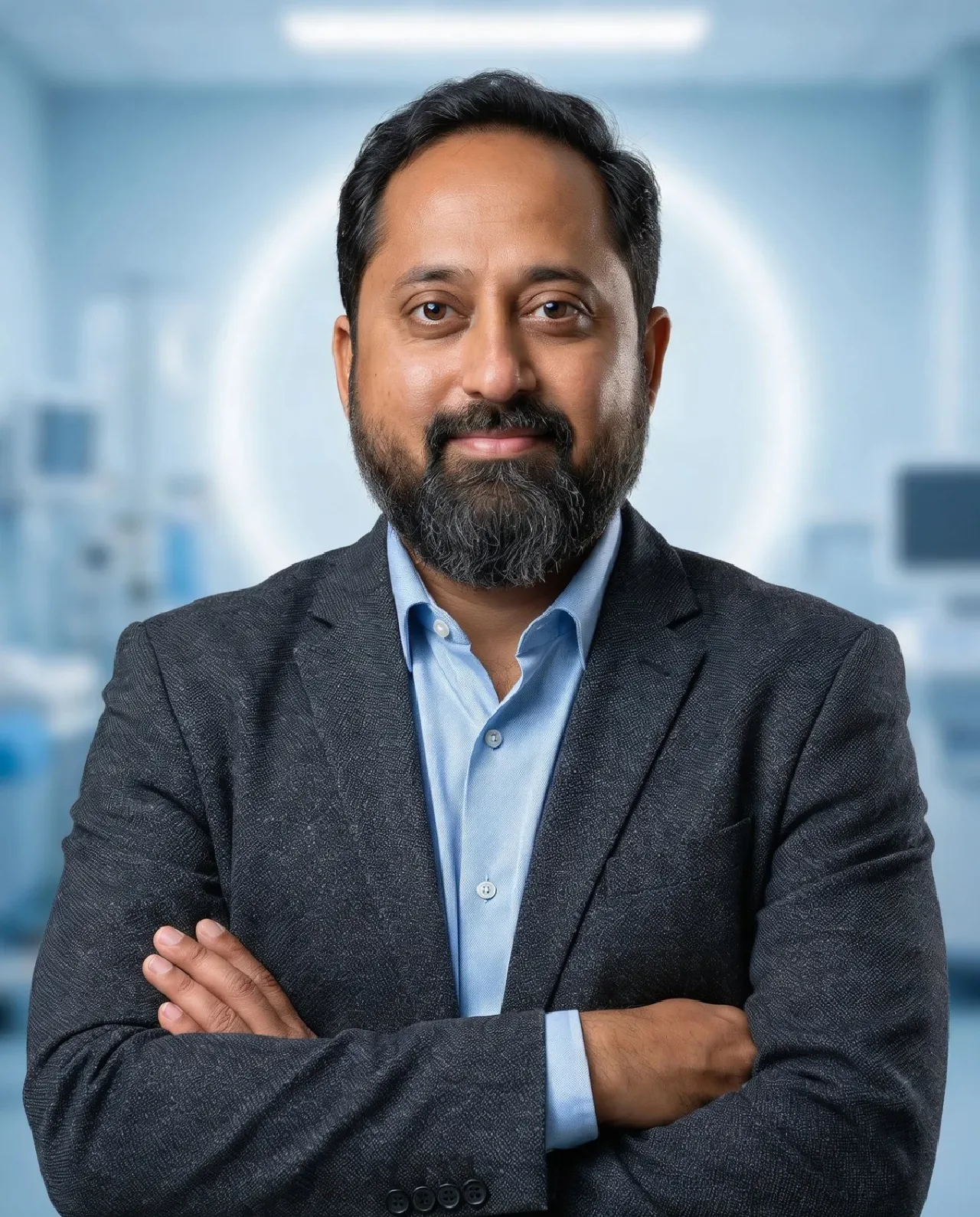
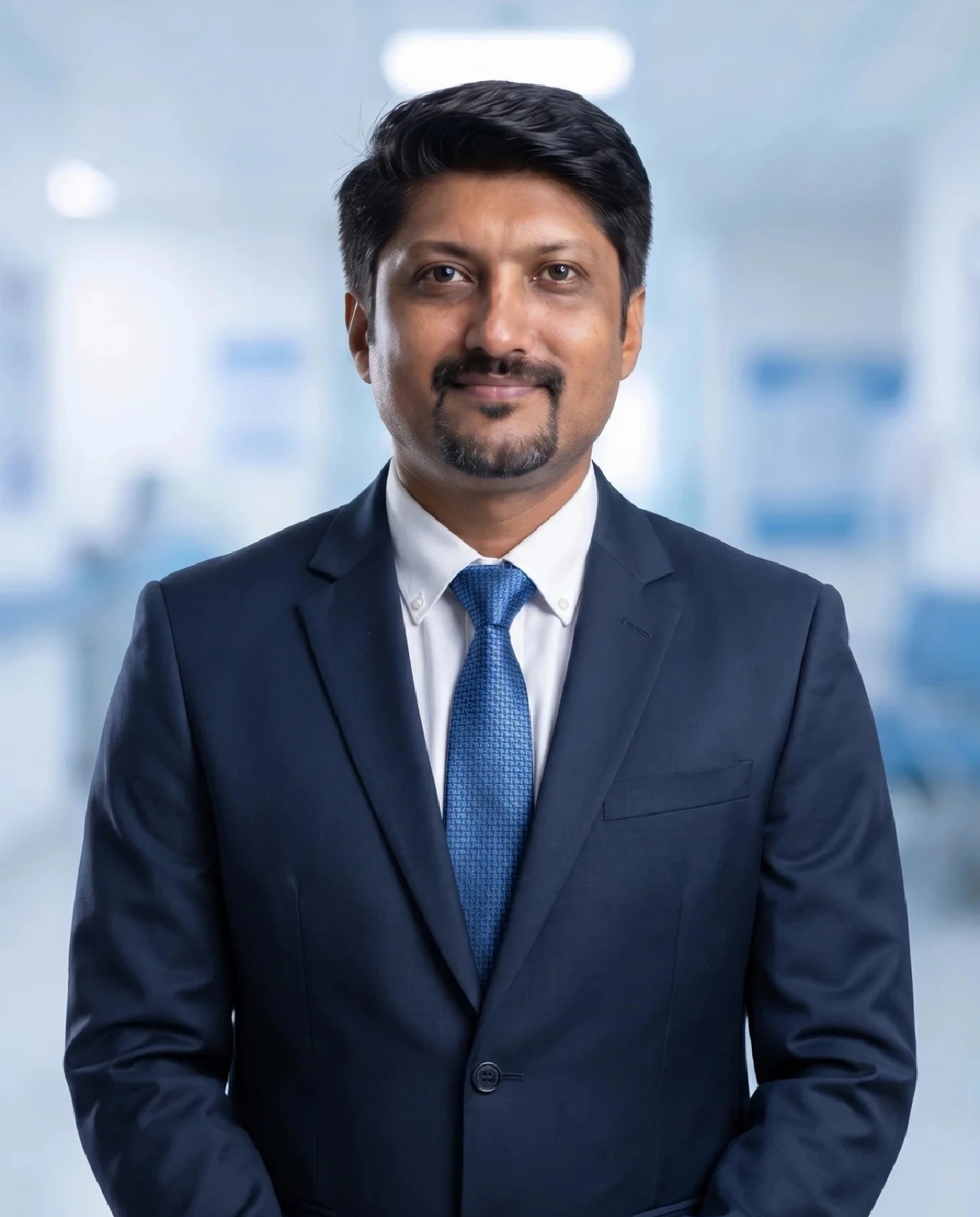
Meet Our Preventive Care Team
A dedicated team of specialists committed to preventing cancer through early detection, counseling, and community awareness.








Frequently Asked Questions
Answers to the most common questions about preventive oncology and tobacco cessation.
Who should consider preventive oncology screening? expand_more
Anyone above 30 years of age, individuals with a family history of cancer, tobacco or alcohol users, those exposed to occupational hazards, and women who haven’t had cervical or breast screening should consider regular preventive oncology consultations. Even if you feel healthy, early screening can detect precancerous conditions.
What screenings are included in a preventive oncology checkup? expand_more
Our preventive checkup typically includes oral cavity examination, breast screening (clinical + mammography), cervical screening (Pap smear / HPV test), lung health assessment for smokers, abdominal ultrasound, blood tumor markers, and a detailed family risk evaluation. The exact tests are customized based on your age, gender, and risk factors.
How effective is tobacco cessation counseling? expand_more
Research shows that combined behavioral counseling and medication support can increase quit rates by 2–3 times compared to trying to quit alone. Our structured program — with follow-ups and relapse prevention — gives you the best chance of quitting permanently. Most patients see significant improvement within the first 3 months.
Is preventive oncology only for people with a family history of cancer? expand_more
No. While family history is a significant risk factor, the majority of cancers occur in individuals with no family history at all. Environmental factors, lifestyle habits, dietary patterns, and occupational exposure all play critical roles. Preventive oncology is for everyone who wants to take control of their health proactively.
How often should I get screened? expand_more
For most adults, an annual preventive oncology checkup is recommended. High-risk individuals — such as those with genetic predispositions or heavy tobacco users — may need screenings every 6 months. Your oncologist will create a personalized screening schedule based on your risk assessment.
Don’t Wait for Symptoms. Act Now.
Schedule a preventive oncology consultation or tobacco cessation session today. Early action saves lives — and yours could be next.